Urdu
Urdu Russia
 Turkey
 South Africa
What Makes a Lab Bench Truly Comfortable to Work At
Have you ever spent eight hours hunched over a lab bench that was just a little too high or too low? If you work in a research lab in Karachi, Lahore, or Islamabad, chances are you know exactly what that feels like. The truth is, most laboratory furniture purchasing decisions focus on material durability and chemical resistance — but overlook one critical factor: ergonomic design.
A properly designed laboratory bench is not just about having a flat surface to work on. It directly impacts researcher posture, fatigue levels, and even the accuracy of experimental results. When a scientist has to constantly reach too far or bend at an awkward angle, mistakes happen more frequently. That is why ergonomic standards exist, and why they matter more than most lab managers realize.
The Science Behind Optimal Bench Height
International ergonomic guidelines recommend a standard laboratory bench height of 900mm (approximately 36 inches) for standing work, which suits the majority of adult users. For seated bench work, the optimal height drops to 720–750mm. These numbers come from decades of occupational health research and are referenced in standards like ISO 14738 for anthropometric requirements.
But here is where it gets interesting for Pakistan specifically. The average height of the Pakistani adult population differs from European or North American averages, which means a one-size-fits-all approach can be problematic. HJSLab addresses this by offering adjustable-height laboratory bench options and customizable leg configurations that accommodate a range of 700mm to 950mm, ensuring every researcher finds their ideal working position.
Layout Planning That Actually Works
Beyond height, the layout of your lab benches determines workflow efficiency. Consider a typical analytical chemistry lab at a university in Punjab. Researchers move between instruments, reagent shelves, and fume hoods dozens of times per day. If the lab bench arrangement creates unnecessary walking or awkward traffic patterns, productivity drops.
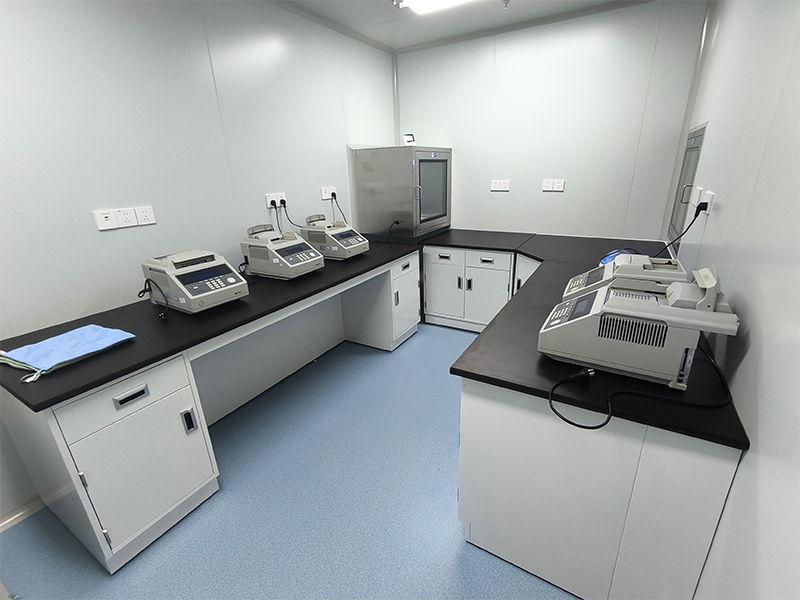
The most effective layout strategies include: island bench configurations for collaborative research spaces, peninsula layouts against walls to maximize floor area in smaller labs, and L-shaped arrangements that give individual researchers a dedicated workstation with easy access to shared equipment. HJSLab provides free laboratory layout consultation for Pakistani institutions, helping design the most efficient bench placement for each specific space.

Choosing the Right Lab Bench Specifications
When selecting a laboratory bench for your facility in Pakistan, think beyond just dimensions. Consider the depth — standard depths range from 600mm to 900mm. A 750mm deep bench is the sweet spot for most chemistry and biology labs, providing enough workspace without making it difficult to reach items at the back.
Weight capacity matters too. A steel-wood composite lab bench from HJSLab typically supports 200–300 kg distributed load, which handles most analytical instruments comfortably. For heavy equipment like large centrifuges, reinforced steel frames with cross-bracing are recommended.
Edge design is another often-overlooked detail. Raised edges prevent chemical spills from dripping onto the floor or the researcher. HJSLab laboratory benches feature integrated spill containment edges as a standard safety feature, compliant with PSQCA laboratory safety guidelines.
Making the Investment Count
A well-designed lab bench is an investment that pays dividends over its entire 15–20 year lifespan. Pakistani universities, pharmaceutical companies, and quality control laboratories are increasingly recognizing that ergonomic laboratory furniture reduces workplace injuries, improves research output, and creates a more professional environment. Whether you are setting up a new lab in Faisalabad or upgrading facilities in Peshawar, starting with the right bench dimensions and layout makes everything else easier. Contact HJSLab for a customized lab bench solution tailored to your specific requirements and space constraints.