Urdu
Urdu Russia
 Turkey
 South Africa
The Worktop Challenge in Pakistan's Labs
Pick the wrong lab bench worktop in Karachi or Rawalpindi, and you're replacing it every 18 months. The humid coastal and high-temperature inland climates create three killer stresses: thermal cycling that cracks cheap surfaces, moisture absorption that swells boards, and chemical spills that penetrate unprotected tops. Your lab's productivity takes a hit when techs stop to clean stained counters or when a tabletop warps and equipment won't sit flush anymore.
Epoxy Resin Worktops: The Budget-Smart Choice
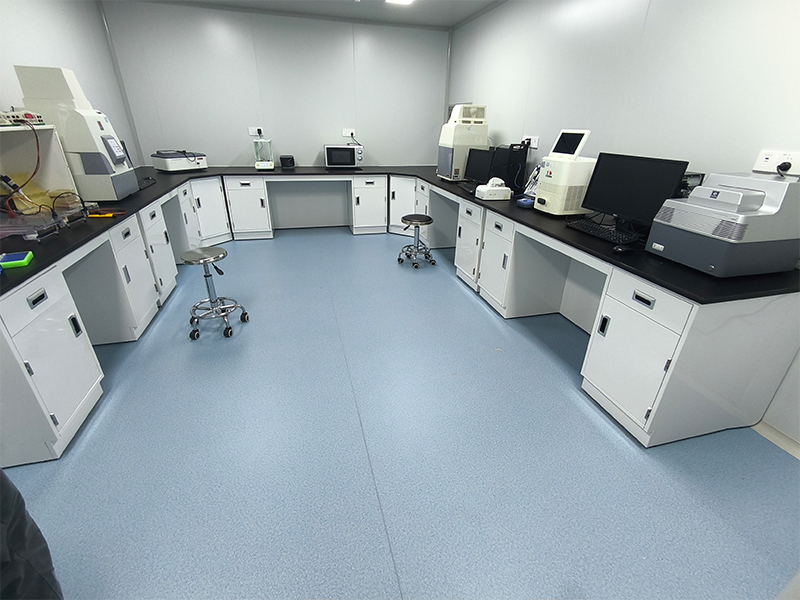
HJSLab's epoxy resin tops cost 30-40% less than ceramic and bond directly to the full steel frame, eliminating the weak edge seams where moisture sneaks in. Two-part epoxy cures hard in 6-8 hours and delivers chemical resistance to most lab solvents — acetone, xylene, 70% ethanol won't etch it. For organizations just getting their lab equipment budget approved, epoxy gives you solid chemistry-lab performance without the premium price tag. The surface is easy to repair too; a small gouge or burn mark gets sanded smooth and re-sealed in under an hour, no replacement needed. You'll get 5-7 years of reliable service in Pakistan's climate before considering a refinish.
Ceramic Worktops: Maximum Durability for Routine Spills
Ceramic glazed surface won't stain, won't absorb moisture, and handles thermal shock better than any other option. You can set a hot Bunsen burner directly on ceramic without damage — the surface stays stable from -10°C to +80°C daily swings. In research labs running sample prep and analytical work where precision matters, ceramic is the go-to. HJSLab's ceramic tops use 12mm glazed porcelain bonded to a phenolic core, then mounted to the steel frame with stainless fasteners. Cost runs 50-60% higher than epoxy but you won't refinish for 10+ years. Warranty covers manufacturing defects, and the non-porous glaze means PSQCA compliance for food research, pharmaceutical trace labs, and quality control departments.
Phenolic Laminate (理化板): The Versatile Middle Ground
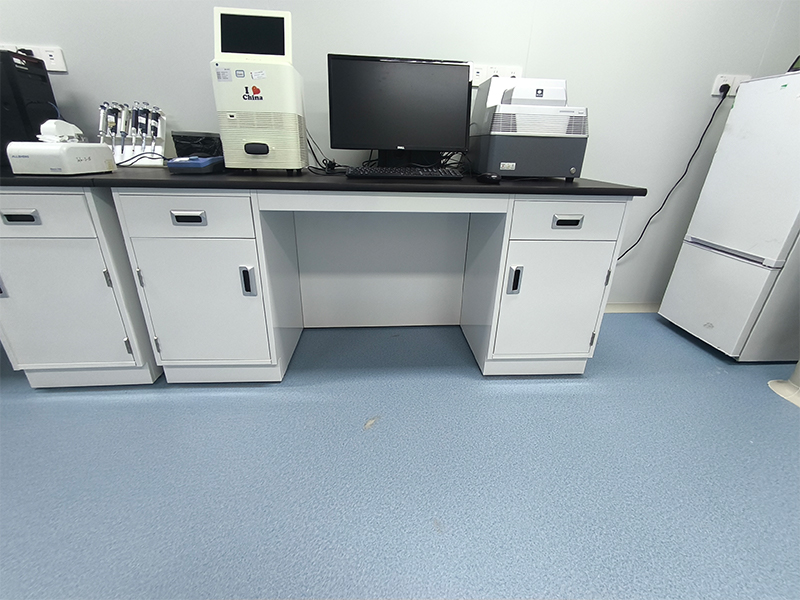
Phenolic (also called理化板 in Chinese markets) is a phenol-formaldehyde resin laminate with excellent chemical resistance to acids, bases, and aromatic solvents. It won't soften under brief heat exposure like regular laminate does, making it suitable for labs with both wet chemistry and bench heating. Price sits between epoxy and ceramic — roughly 25% more than epoxy. Phenolic is thinner (typically 1mm) so it needs full substrate support, which the steel frame provides. The material compresses slightly under point loads but returns to shape when weight is removed. For teaching labs where durability matters but you're running 50+ students through monthly, phenolic balances cost and longevity well. Some technicians prefer it because minor scratches can be burnished out without sanding, saving maintenance time.
Making the Right Choice for Your Lab
Your decision depends on three factors: chemical exposure type, budget timeline, and climate zone within Pakistan. Coastal labs with salt spray benefit most from ceramic's impermeability. Inland dry areas can stretch epoxy's lifespan to 8 years. Teaching institutions favor phenolic for its repairability and balanced cost. HJSLab ships all three options configured to your frame dimensions, and our Suzhou-to-Karachi logistics chain takes 25-30 days. We carry ISO 9001 certification and hold inventory of spare panels for quick replacement during warranty. Contact our sales team for a worktop material comparison chart tailored to your specific lab chemistry and climate zone.