Urdu
Urdu Russia
 Turkey
 South Africa
Step into any university lab in Lahore or a pharma testing facility in Karachi, and you’ll spot the same problem everywhere—glassware piled onto open shelves, beakers clinging to the edge of countertops, expensive Erlenmeyer flasks one careless bump away from shattering. In Pakistan, where pharma and biotech are taking off, decent glassware storage isn’t a nice-to-have. It’s basic safety.
Pakistan’s labs cover everything—universities, government researchers, textile testing, and a pharmaceutical industry shipping to over fifty countries. But walk through most facilities, and you’ll still find cheap metal shelves or old wooden cupboards doing nothing to keep out dust, chemical fumes, or stop something from falling and breaking. The right glassware cabinet changes the whole picture.
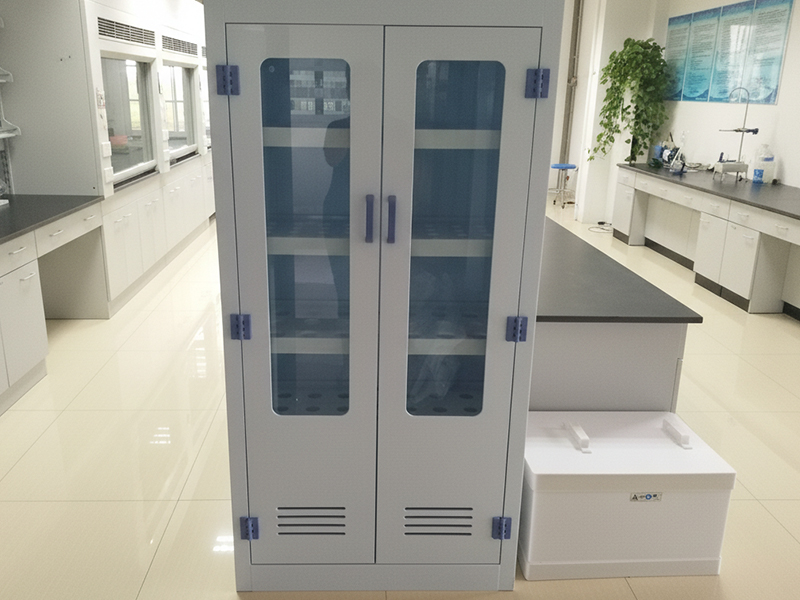
So, what actually makes a good glassware cabinet? You need more than a box with doors. The best cabinets use cold-rolled steel, usually about 1.0 mm thick, and that gets a powder-coat that fights off rust and stands up to chemical splashes. Shelves inside? They should adjust up or down, so you’re not wasting space, no matter how tall or short the glassware.
Insist on tempered glass doors. They let you see what’s inside without opening everything up, saving time when things get busy. And if there’s ever an accident, tempered glass crumbles into small, blunt chunks instead of nasty, dangerous shards. If your lab deals with harsh chemicals, ventilation slots or exhaust connections keep fumes from building up, which is essential.
Most labs do well with cabinets around 900 mm wide, 450 mm deep, and 1800 mm tall. That size slides in against most walls and holds four to six adjustable shelves, usually with a drip tray at the bottom to catch any stray condensation.
Of course, you’ve got to look for proper certifications, especially if you’re in a university or pharma setting. Make sure cabinets meet SEFA standards (so you know they’re sturdy), OSHA and ANSI for safety, and ISO 9001 for manufacturing quality. Those badges mean the cabinets have actually been put through load and chemical resistance tests, not just promised in a brochure.
Getting certified furniture is a big help for universities, especially with Higher Education Commission audits. For private pharma labs aiming for WHO inspection, documented standards make the audit process smoother and keep everyone happy.
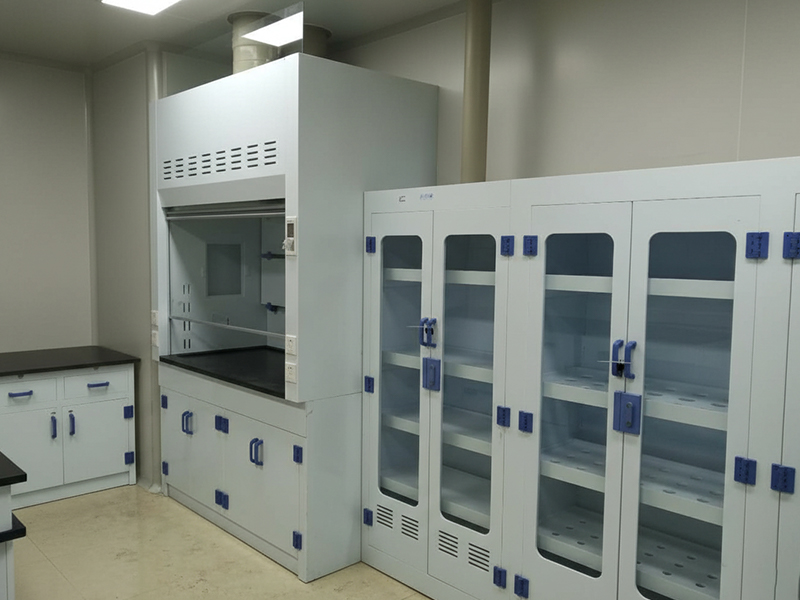
Then there’s HJSLab—also known as Hua Ju Sheng. They’re one of the few manufacturers building cabinets meant for real labs across Asia and the Middle East. All-steel frame, adjustable shelves (every 25 mm, so you’re not locked into weird heights), powder-coated for corrosion resistance, plus built-in ventilation. They’ll customize finishes, add lockable doors for high-security labs, or set you up with modular units if you plan on expanding.
With direct-from-factory production and real-world experience in international markets, HJSLab gives you serious quality without blowing the budget. They’ll even help you plan your layout so you actually use your space well, not just fill it up.
Starting fresh in a new QC lab, or tidying up your current storage? The right cabinet keeps your lab glassware safe, protects your staff, and helps everything run smoother day-to-day. Get in touch with HJSLab for specs and find out what decent, professional storage can do for your lab.