Urdu
Urdu Russia
 Turkey
 South Africa
Pakistan's climate throws a real challenge at laboratory equipment. High humidity in Karachi and Lahore, combined with salt-laden air in coastal areas, can destroy poorly protected steel furniture in under two years. That's why the powder coating process on a full steel lab bench matters more than most people think.
How HJSLab's Coating Process Works
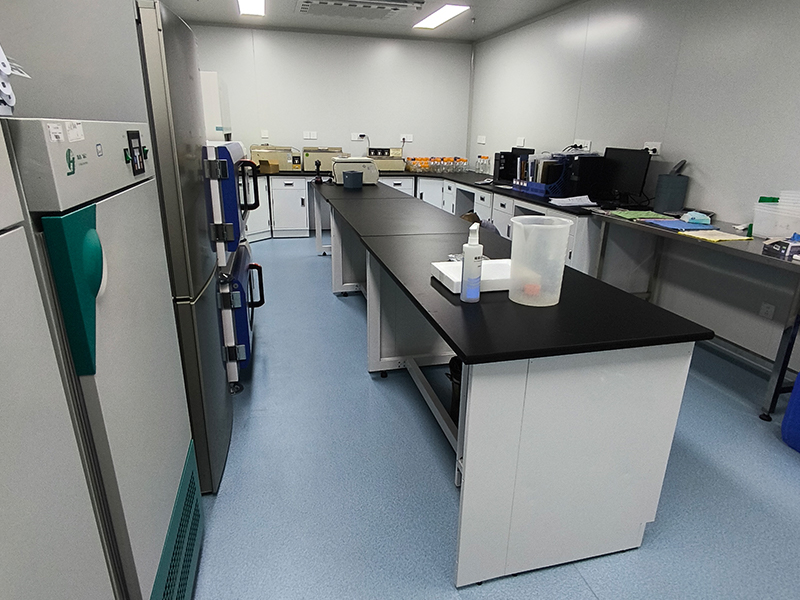
At our Suzhou factory, every full steel lab bench goes through a 13-step pre-treatment before any powder touches the surface. Degreasing, acid pickling, phosphating — each step builds on the last. The zinc phosphate layer alone takes three separate rinses to get right. This isn't something you can rush, and it's where cheap manufacturers cut corners first.
We use a hybrid epoxy-polyester powder system. Pure epoxy gives you the chemical resistance — acids, alkalis, solvents won't damage it. The polyester component adds UV stability, so benches near windows don't yellow and chalk over time. Coating thickness sits between 60-80 microns, checked at four points on every panel with an electromagnetic gauge. Go below 60 and you get pinholes. Go above 100 and the coating becomes brittle under impact.
Why This Matters for Pakistan Labs
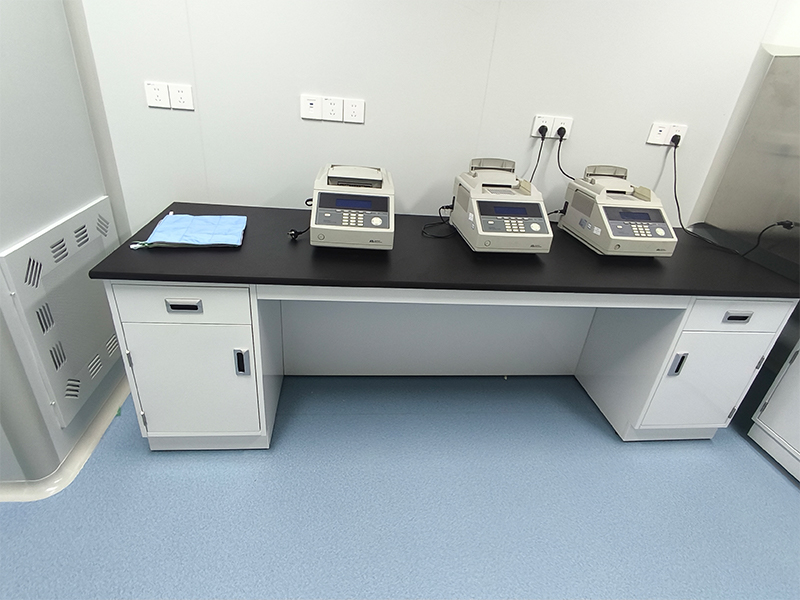
We've shipped full steel lab benches to universities in Islamabad and testing labs in Karachi. The feedback after three years? Zero coating failures. Compare that with locally sourced benches that started peeling within 18 months in the same facilities. The price difference upfront is modest — the cost difference over ten years is massive.
HJSLab's ISO 9001 certified production line runs salt spray tests on every batch. 500 hours minimum, no exceptions. For labs in Pakistan's humid coastal belt, that's not a luxury — it's a necessity. Contact our team for coating test reports and free sample panels.