Urdu
Urdu Russia
 Turkey
 South Africa
Pakistan’s research scene is really picking up, and universities are looking for top-notch lab furniture to keep up. Picking the right supplier for laboratory benches isn’t just another box to tick—it shapes how safe and efficient your workspace actually feels.
So, what do labs in Pakistan really need? Well, climate and budgets play a big role. Karachi’s heat and humidity mean you want benches that won’t rust or soak up moisture. Over in Lahore and Islamabad, you have to think about furniture that can handle wild temperature swings.
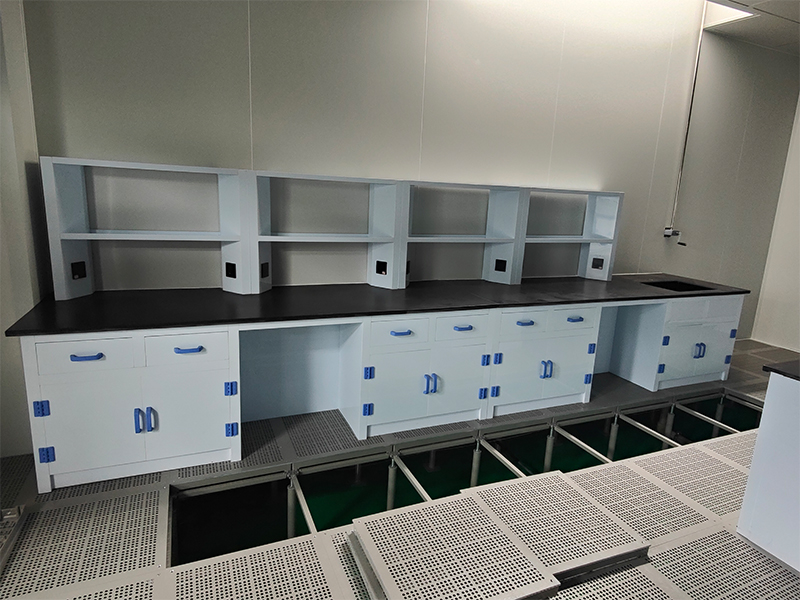
Most universities still trust steel benches. They’re tough, can take a beating, and support heavy gear—especially in physics or engineering labs. Steel benches also keep precision instruments steady and hold up well to daily wear and tear.
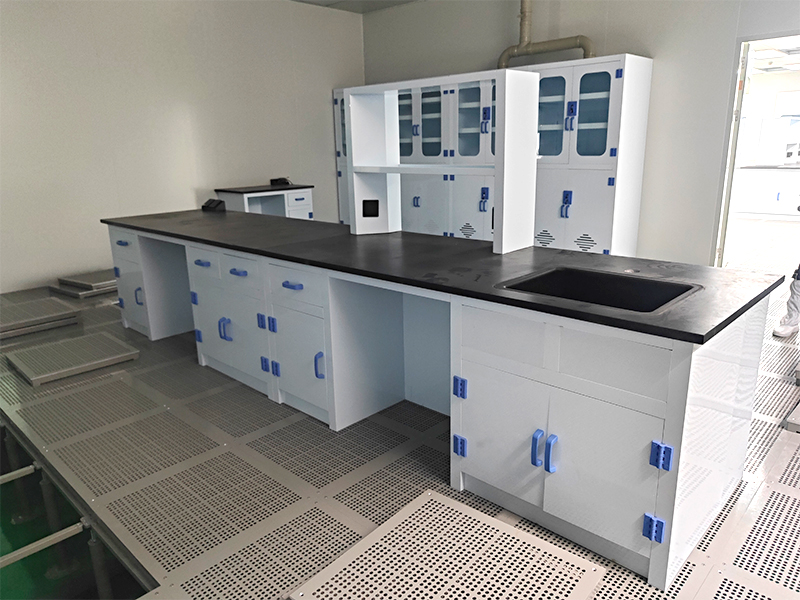
But there’s a shift happening. Polypropylene (PP) benches are catching on in chemistry and biology departments. PP is great at standing up to harsh chemicals, which makes it a smart choice for labs handling acids and other corrosive stuff. A lot of pharmaceutical research centers have started asking for PP benches in their analytical labs.
When you’re hunting for a supplier, a few things matter a lot. First, make sure the benches can handle the weight—at least 200 kg per meter is a good baseline. Chemical resistance is another big one. Steel with an epoxy coat works fine for general labs, but if you’re dealing with nastier chemicals, PP benches are way better.
Customization separates the real pros from the basic vendors. Labs often need benches in odd sizes to fit tight spaces, and built-in storage, power outlets, or utility connections can make life a whole lot easier.
Don’t forget about after-sales support, either. Reliable suppliers stick around after installation, offering maintenance and spare parts, which matters even more if you’re in a smaller city without a big tech support network.
Quality counts, too. Trustworthy suppliers come with international certifications like ISO 9001, which shows they know what they’re doing. Material certifications let you know exactly what kind of steel or PP you’re getting.
As for cost, it’s all about getting the most for your money. Imported benches might look fancy, but local suppliers often deliver faster, communicate more easily, and offer stronger after-sales service—all at a better price.
Bottom line: Pakistani research labs deserve furniture that helps them do real science, not just fill a room. If you weigh up the supplier’s materials, options, and service, you can build a lab that’s both safe and ready for whatever discoveries come next.